With the new environmental DNA (eDNA) method, we can determine, for example, the structure of fish stocks and the presence of various target species, such as endangered or invasive species in water bodies. The presence and abundance of species’ genetic material is studied from water samples, allowing surveys without disturbing underwater life. Surveys based on water sampling also provide temporal flexibility for conducting studies.
Featured Project

Pumpkinseed fishing and eDNA Investigation
The city of Helsinki commissioned a study from Kala- ja vesitutkimus Oy to investigate the presence of pumpkinseed (Lepomis gibbosus) in a small pond located in Jakomäki. Pumpkinseed is classified as a harmful invasive species throughout the EU. Harmful invasive species must not be released into the environment or brought into the EU, and they cannot be possessed, cultivated, transported, marketed, distributed, sold, or otherwise handed over. According to the law, the property owner or holder is responsible for reasonable measures to eliminate or limit the spread of invasive species on their property. However, pumpkinseed has spread to many bodies of water in southern Finland, most likely as a direct result of human activity.
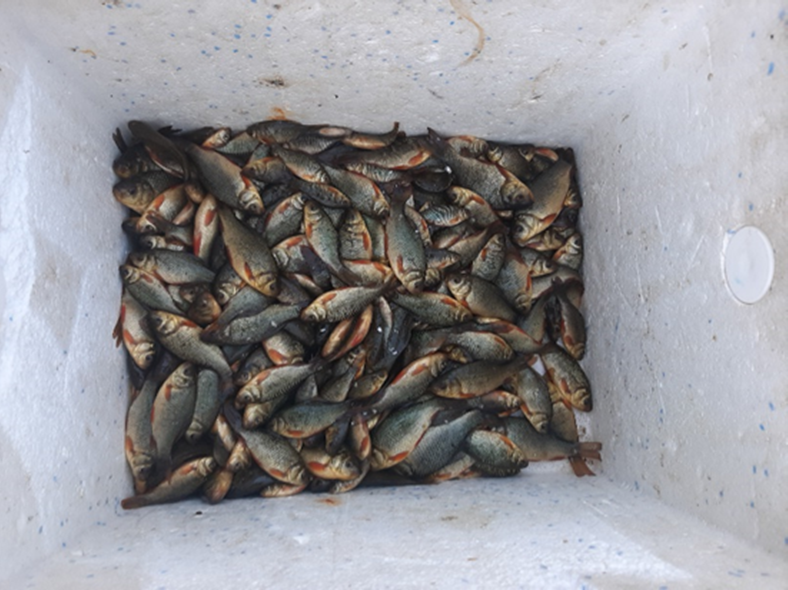
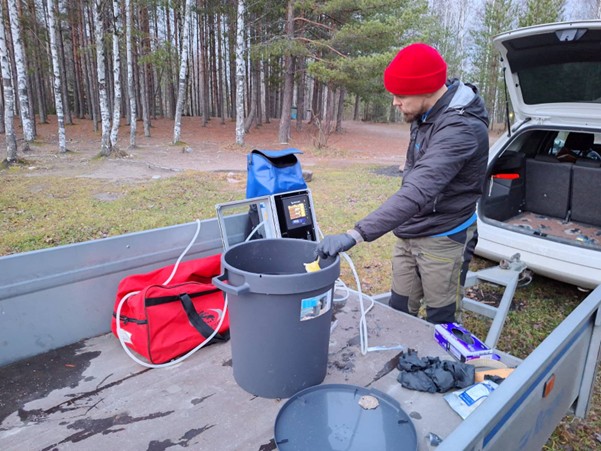
Intensive fish trapping was conducted at the pond in November 2024. Various types of fish traps were used to ensure the capture of individuals of different sizes. No pumpkinseed were caught during the trapping. Additionally, a composite water sample was taken from five locations in the pond and filtered through 50-micron filters using a commercial eDNA pump specifically designed for this purpose. The samples were sent for analysis using qPCR (quantitative Polymerase Chain Reaction) by our partner SpringDNA. The samples did not contain pumpkinseed DNA, supporting the results of the fish trapping. The qPCR method used in the analysis can detect specific target species’ DNA sequences from amplified gene fragments in the sample and also provides a relative estimate of their abundance. The advantage of this method is its non-invasive nature, meaning it does not require trapping or otherwise disturbing the target species. Sampling is also less dependent on the appropriate timing. In the case of Heart Pond, the fish trapping occurred on the brink of winter when fish activity decreases as the water cools, reducing trapping efficiency. For this reason, the eDNA investigation effectively complemented the fish trapping at that time.